Two Tigers (两只老虎) and More: A Chinese Animal Song Lesson Plan With Pinyin
8 min read by Tim
Every Mandarin class meets 两只老虎 sooner or later. Most kids already know the tune from Frère Jacques, so the melody costs you nothing. The catch: a class can sing all four lines perfectly and still not know that 尾巴 means tail.
This free 40-minute lesson plan turns a song they can sing into words they can use. It starts with Two Tigers, adds a second Chinese Buddy animal song for a real question-and-answer pattern (它是大象,对不对?), and ends with an animal version of 萝卜蹲 and a drawing exit ticket.
What do you need for this Chinese animal song lesson?
- Two Tigers Song from the Song Finder (Animals). The words are the traditional children's song; the tune is Frère Jacques. Neither is mine, which is half the reason it works: nobody has to learn a new melody.
- Right or Wrong from the same topic: 它是大象, 它是老鼠, 它是雪貂, 对, 不对, 对不对.
- Optional extension: I'm Your Good Friend (你是我狗狗, 我是你好朋友).
- Pictures of a tiger, an elephant, a mouse, a ferret and a dinosaur, printed or on screen. A whiteboard and room to squat.
Works for kindergarten through middle school. Level adaptations are at the end.
What are the Two Tigers lyrics in pinyin?
These are the traditional folk lyrics, so print them freely:
- 两只老虎,两只老虎,
liǎng zhī lǎohǔ, liǎng zhī lǎohǔ, - 跑得快,跑得快。
pǎo de kuài, pǎo de kuài. - 一只没有耳朵,一只没有尾巴,
yì zhī méiyǒu ěrduo, yì zhī méiyǒu wěiba, - 真奇怪,真奇怪。
zhēn qíguài, zhēn qíguài.
Two pronunciation notes worth a minute. 老虎 is written lǎohǔ but said láohǔ: two third tones in a row, and the first one rises. And 一 in 一只 is said yì, not yī. You don't need to teach the rules today. Just model it right and let the song carry it. (Some versions sing 一只没有眼睛, no eyes. The Song Finder version uses 耳朵.)
Which animal words do students learn?
- From Two Tigers: 老虎 lǎohǔ (tiger), 两只 liǎng zhī (two, for animals), 跑得快 pǎo de kuài (runs fast), 耳朵 ěrduo (ear), 尾巴 wěiba (tail), 没有 méiyǒu (doesn't have), 真奇怪 zhēn qíguài (so strange)
- From Right or Wrong: 大象 dàxiàng (elephant), 老鼠 lǎoshǔ (mouse), 雪貂 xuědiāo (ferret), 恐龙 kǒnglóng (dinosaur), 它是 tā shì (it is), 对 duì / 不对 bú duì (right / wrong), 对不对 duì bu duì (right?)
- Extension: 狗狗 gǒugou (doggy), 好朋友 hǎo péngyou (good friend)
Point out 老虎 and 老鼠 early. Same 老, same tones, one sound apart, and about as different as two animals get. (The 老 doesn't mean old here; it's just part of the word.) Then look at 两只: it's 两, not 二, because a measure word follows. The Chinese numbers song lesson plan covers 两 vs 二 if your class is ready for it.
What does a 40-minute Two Tigers song lesson plan look like?
1. Hum it first (3 minutes)
Hum the tune with no words. Hands go up: "That's Frère Jacques!" Yes. Same tune, Chinese words. If you've taught the 45-minute colors song lesson, they've already sung this melody in Mandarin, so tell them today they get the original words.
2. Ears and tails before the song (5 minutes)
Touch your ears: 耳朵. Wiggle a hand behind you: 尾巴. Say each one, they touch. Then add 没有: cover both ears for 没有耳朵, hide your hand for 没有尾巴. Mix them up and speed up. By the time the song starts, the two strangest lines already make sense.
3. Teach Two Tigers with actions (8 minutes)
First listen: actions only. Two fingers for 两只, claws for 老虎, run on the spot for 跑得快, cover an ear, hide the tail, shrug on 真奇怪. Second time: sing only the lines that repeat (两只老虎, 跑得快, 真奇怪). Third time: everything.
Then the fun part. Because it's the Frère Jacques tune, it works as a round. Split the room in two; group two starts when group one reaches 跑得快. It falls apart the first time. That's fine. Try again.
4. 它是大象,对不对? (8 minutes)
Play Right or Wrong once. Then hold up a picture and make a claim: 它是老鼠,对不对? When you're right, the class shouts 对! When you're wrong (hold up the elephant), they shout 不对!它是大象! Get it wrong often. Kids love correcting the teacher, and every correction is a full sentence.
After a few rounds, hand the pictures to students and let pairs quiz each other. Slip the tiger in next to the mouse. 老虎 or 老鼠? Now they have to listen.
5. Animal 萝卜蹲 (8 minutes)
Four groups, four animals: 老虎, 大象, 老鼠, 恐龙. The tiger group squats and chants 老虎蹲,老虎蹲,老虎蹲完大象蹲! Now the elephants squat, chant and pass it on. Hesitate, or call your own group, and you lose a life. Add one rule: squat in character. Tigers claw, elephants swing a trunk. Full rules for the original colors version are in 12 No-Prep Mandarin Classroom Games.
Put 老虎 and 老鼠 next to each other in the circle. You'll hear exactly who knows the difference.
6. 真奇怪 drawings and exit (8 minutes)
Everyone draws one strange animal: a mouse with no tail, a dinosaur with no ears. Underneath they write or copy one line: 一只老鼠没有尾巴. At the door, each student holds up the drawing, says the line, and the class answers 真奇怪! Quick, loud, and you get a sentence from every student before they leave.
Extension: I'm Your Good Friend (5 extra minutes)
Got time left, or a second lesson? Play I'm Your Good Friend. Students hold up a drawing of a pet, real or imaginary, and say 你是我好朋友. Teenagers can do it for a classmate's ridiculous drawing instead.
How do you adapt Two Tigers for different levels?
- Kindergarten: actions and three words: 老虎, 耳朵, 尾巴. Animal 萝卜蹲 with two groups. No writing.
- Lower primary: the full plan. Write 两只老虎 on the board and let them find 老 twice in the animal words.
- Upper primary: new verses. Keep the frame and swap the words: 两只大象,两只大象,跑得慢 (pǎo de màn, run slowly). Groups write one verse each and sing it.
- Middle school: measure words. 一只老虎 and 一只老鼠, but elephants usually take 头 (一头大象). Then the third-tone change in 老虎 and 老鼠, which How to Teach Mandarin Tones: A 4-Week Plan covers in week 2.
- Homeschool: sing it as a round with a parent, and use stuffed animals for 对不对.
Teaching all of these at once? One Song, Three Levels shows how to run one song with three task sheets, and its Level C rewrite works well with animals.
What about a Two Tigers worksheet?
You don't need a download for this one. A one-page sheet you can make in five minutes:
- Label it: a drawn tiger with arrows to 耳朵 and 尾巴.
- Gap-fill: 两只老虎,两只老虎,跑得____,跑得____。
- Strange animal: 一只____没有____。 Draw it.
The worksheet post uses Two Tigers for every example, so Printable Mandarin Worksheets That Actually Get Used gives you five more formats ready to go. For other animal songs and one quick classroom move for each, see Chinese songs for kids by topic.
Where can you find the song videos and more printables?
If you'd rather not build materials yourself, Club Lǎoshī is the Chinese Buddy membership for teachers, with song videos and classroom printables. Want to see what song-matched printables look like first? The free Basic Greetings Classroom Pack has five PDFs for the song 我叫Tim. It's a greetings pack, not an animals pack.
Two tigers, one tune they already know. Then let them make the animals stranger.
More classroom song videos and printables live at chinesebuddy.com.
Tim is the original founder, creator and dreamer of all things on Chinese Buddy. He can be contacted here.
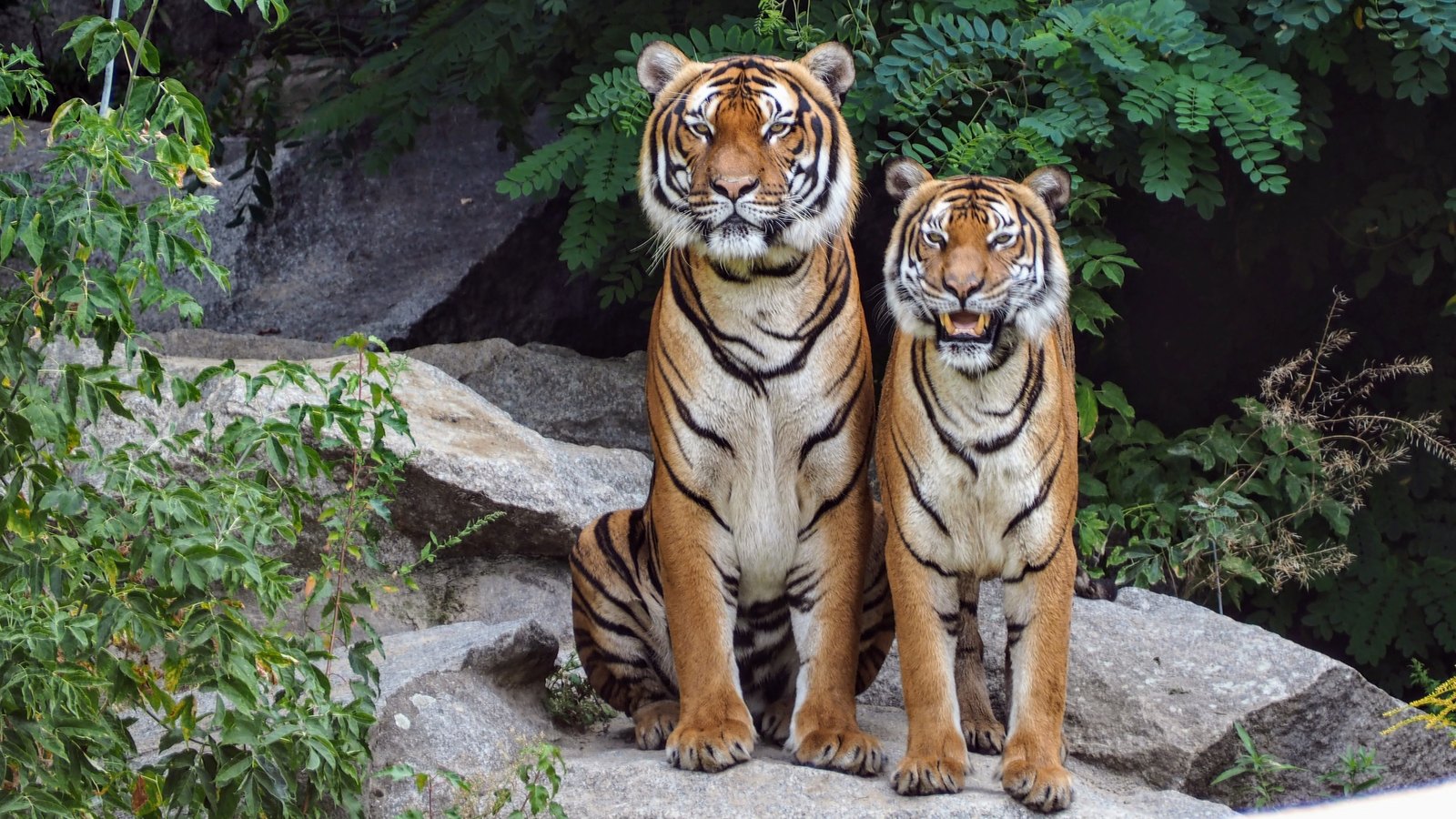
Cover photo: Thomas B., Two orange tigers (via Pexels), CC0, via Wikimedia Commons (cropped).
《两只老虎》和更多动物歌:带拼音的中文动物歌教案
每个中文班迟早都会唱到《两只老虎》。大多数孩子早就从 Frère Jacques 里听过这个旋律,所以曲子不用教。问题是:全班可以把四句唱得很顺,却还是不知道"尾巴"是什么意思。
这份免费的40分钟教案,把学生会唱的歌变成会用的词。先唱《两只老虎》,再加一首 Chinese Buddy 的动物歌,练一个真正的问答句型("它是大象,对不对?"),最后玩动物版萝卜蹲,用画画当出门检测。
这节动物歌课需要准备什么?
- Song Finder(Animals)里的 Two Tigers Song。歌词是传统儿歌,旋律是 Frère Jacques。两样都不是我写的,这也正是它好用的原因:没有人需要学新旋律。
- 同一主题里的 Right or Wrong:它是大象、它是老鼠、它是雪貂、对、不对、对不对。
- 可选延伸:I'm Your Good Friend(你是我狗狗、我是你好朋友)。
- 老虎、大象、老鼠、雪貂和恐龙的图片,打印或投影都可以。一块白板,还有能蹲下的空间。
适合幼儿园到初中。各年龄段的调整方法放在最后。
《两只老虎》的歌词和拼音是什么?
这是传统民歌歌词,可以放心打印:
- 两只老虎,两只老虎,
liǎng zhī lǎohǔ, liǎng zhī lǎohǔ, - 跑得快,跑得快。
pǎo de kuài, pǎo de kuài. - 一只没有耳朵,一只没有尾巴,
yì zhī méiyǒu ěrduo, yì zhī méiyǒu wěiba, - 真奇怪,真奇怪。
zhēn qíguài, zhēn qíguài.
有两个发音点值得花一分钟。"老虎"写作 lǎohǔ,读作 láohǔ:两个第三声连在一起,第一个变成升调。"一只"的"一"读 yì,不读 yī。今天不用讲规则,你读对、让歌带着走就行。(有些版本唱"一只没有眼睛",Song Finder 里的版本用的是"耳朵"。)
学生要学哪些动物词?
- 来自《两只老虎》:老虎 lǎohǔ、两只 liǎng zhī(两个,用于动物)、跑得快 pǎo de kuài、耳朵 ěrduo、尾巴 wěiba、没有 méiyǒu、真奇怪 zhēn qíguài
- 来自 Right or Wrong:大象 dàxiàng、老鼠 lǎoshǔ、雪貂 xuědiāo、恐龙 kǒnglóng、它是 tā shì、对 duì/不对 bú duì、对不对 duì bu duì
- 延伸:狗狗 gǒugou、好朋友 hǎo péngyou
早点把"老虎"和"老鼠"放在一起讲。一样的"老",一样的声调,只差一个音,却是差别最大的两种动物。(这里的"老"不是"年老"的意思,只是词的一部分。)再看"两只":后面有量词,所以用"两"不用"二"。如果学生准备好了,《中文数字歌教案》里讲了"两"和"二"的区别。
《两只老虎》40分钟教案怎么上?
1. 先哼旋律(3分钟)
不唱词,只哼曲子。马上有人举手:"这是 Frère Jacques!"对,同一个旋律,换成中文歌词。如果你教过《用一首歌教中文颜色:45分钟教案》,学生已经用中文唱过这个旋律了,告诉他们今天唱原版歌词。
2. 先学耳朵和尾巴(5分钟)
摸摸耳朵:"耳朵。"在身后摇摇手:"尾巴。"你说,他们摸。然后加上"没有":说"没有耳朵"时捂住两只耳朵,说"没有尾巴"时把手藏起来。打乱顺序,越来越快。等歌一开始,最奇怪的两句已经听得懂了。
3. 边做动作边学《两只老虎》(8分钟)
第一遍只听,只做动作:比两根手指表示"两只",手做爪子表示"老虎",原地跑表示"跑得快",捂住一只耳朵,藏起尾巴,唱"真奇怪"时耸耸肩。第二遍只唱重复的句子(两只老虎、跑得快、真奇怪)。第三遍全部唱。
接下来是好玩的部分。因为是 Frère Jacques 的旋律,所以可以唱轮唱。把全班分成两组,第一组唱到"跑得快"时,第二组开始。第一次肯定会乱掉,没关系,再来一次。
4. 它是大象,对不对?(8分钟)
先放一遍 Right or Wrong。然后举起一张图片说一句:"它是老鼠,对不对?"说对了,全班喊"对!"说错了(举的是大象),全班喊"不对!它是大象!"多故意说错几次。孩子们最喜欢纠正老师,而且每次纠正都是一个完整的句子。
玩几轮以后,把图片交给学生,两人一组互相考。把老虎放在老鼠旁边。是"老虎"还是"老鼠"?这下他们得认真听了。
5. 动物萝卜蹲(8分钟)
四个组,四种动物:老虎、大象、老鼠、恐龙。老虎组一边蹲一边喊:"老虎蹲,老虎蹲,老虎蹲完大象蹲!"这时大象组就要接着蹲、接着喊,再传下去。犹豫的组或者叫成自己组名的组,扣一条命。再加一条规则:蹲的时候要演出动物的样子。老虎抓一抓,大象甩甩鼻子。原版颜色萝卜蹲的完整规则在《12个零准备中文课堂游戏》里。
把老虎组和老鼠组排在一起,你马上就能听出谁分得清。
6. "真奇怪"画画和离场(8分钟)
每人画一只奇怪的动物:没有尾巴的老鼠,没有耳朵的恐龙。下面写或抄一句:"一只老鼠没有尾巴。"在门口,每个学生举起自己的画,说出这句话,全班回答:"真奇怪!"又快又热闹,每个学生离开前都说了一个句子。
延伸:I'm Your Good Friend(多5分钟)
还有时间,或者有第二节课?放 I'm Your Good Friend。学生举起一张宠物的画,真的假的都可以,说"你是我好朋友"。青少年可以拿同学画的搞笑动物来说。
怎样根据不同程度调整《两只老虎》?
- 幼儿园:只做动作,学三个词:老虎、耳朵、尾巴。萝卜蹲只分两组。不写字。
- 小学低年级:完整教案。在白板上写"两只老虎",让学生在动物词里找出两次"老"。
- 小学高年级:编新歌词。保留句框,换词:"两只大象,两只大象,跑得慢"(pǎo de màn)。每组写一段,唱出来。
- 初中:量词。"一只老虎""一只老鼠",但大象通常用"头"(一头大象)。再讲"老虎""老鼠"里的第三声变调,《怎样教普通话声调:四周计划》第二周有讲。
- 在家学习:和家长一起轮唱,用毛绒玩具玩"对不对"。
这些程度要同时教?《一首歌,三个层次》讲了怎样用一首歌配三份任务单,里面层次 C 的改写活动用动物词很合适。
《两只老虎》练习纸怎么办?
这节课不需要下载资料。下面是一页练习纸,五分钟就能做好:
- 标一标:画一只老虎,用箭头标出"耳朵"和"尾巴"。
- 填一填:两只老虎,两只老虎,跑得____,跑得____。
- 奇怪的动物:一只____没有____。画出来。
《真正用得上的中文打印练习纸》里的例子全部用《两只老虎》,还有五种可以直接用的形式。其他动物歌和每首歌的课堂玩法,可以看按主题分类的中文儿歌。
哪里可以找到歌曲视频和更多打印资料?
如果不想自己做材料,Club Lǎoshī 是 Chinese Buddy 给老师的会员计划,有歌曲视频和课堂打印资料。想先看看配合歌曲的打印资料是什么样子?免费 Basic Greetings 课堂资料包里有五份配合《我叫Tim》的PDF。注意:它是问候语资料包,不是动物资料包。
两只老虎,一个学生早就会的旋律。然后让他们把动物变得更奇怪。
更多课堂歌曲视频和打印练习,见 chinesebuddy.com。
Tim 是 Chinese Buddy 的原创创始人、内容创作者和梦想实践者。如需联系,可在此留言。