
Printable Mandarin Worksheets That Actually Get Used: 6 Song-Based Activities for Beginners
5 min read by Tim
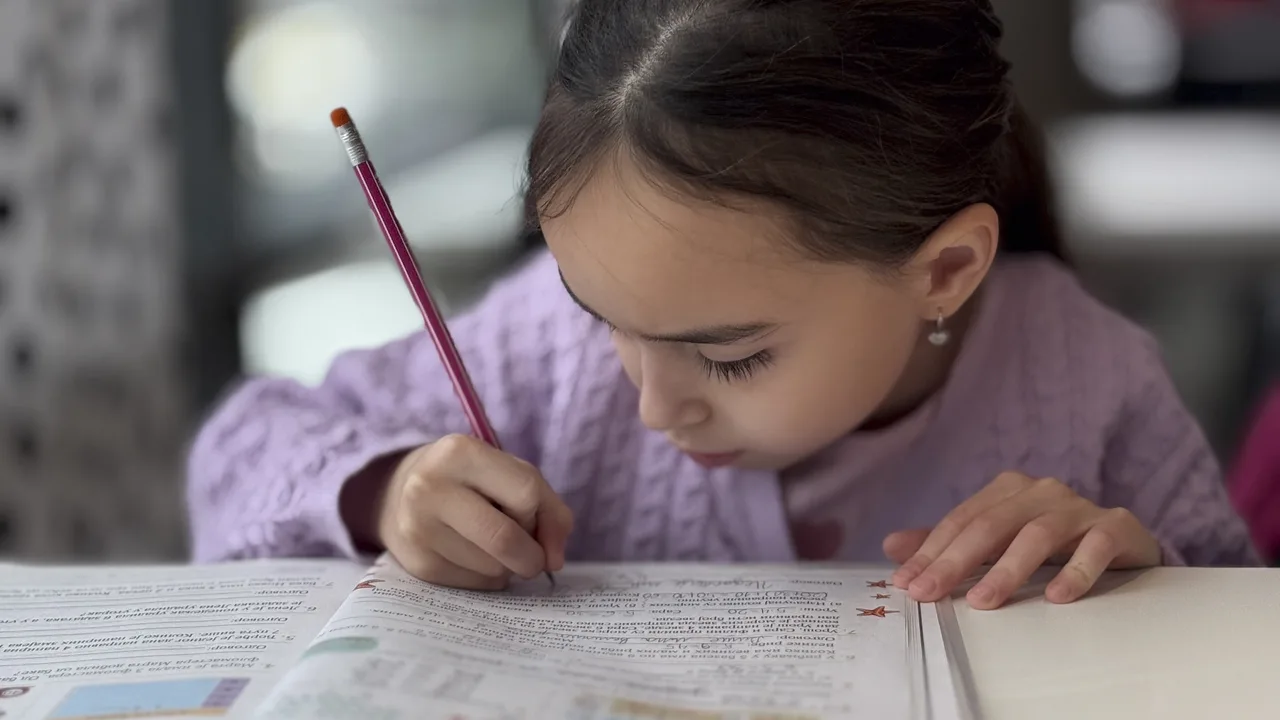
You print thirty copies. Ten come back finished, a dozen come back half done, and the rest are in the recycling bin by lunch. Students don't hate paper. Most worksheets just ask them to work with words they barely know.
A song fixes that. Once a class has sung a song three or four times, the words are already in their heads. The worksheet only asks them to pull those words out and write them down. That's a much easier job, and a much more satisfying one.
Here are six song-based worksheet activities for beginners, in the order I'd use them across a week, with a free pack at the end so you can try them tomorrow.
What makes a Mandarin worksheet worth printing?
Before you hit print, check three things:
- Students have met every word on it. A worksheet is for practice, not first contact. Sing first, print second.
- It fits on one page and takes under ten minutes. Long sheets get abandoned halfway.
- There's something to do when it's finished. Sing the line, quiz a partner, read it aloud. A sheet that ends in talk gets finished.
For the examples below I'll use 两只老虎 (liǎng zhī lǎohǔ, Two Tigers), because nearly every Mandarin class knows it. Swap in whatever song you're teaching.
1. Vocabulary review: how do you stop it turning into copying?
A vocabulary review sheet has three columns: characters, pinyin and English. The trap is that students copy all three and learn nothing.
Give each student a sheet with one column filled in and two left blank instead. Half the class gets characters, the other half gets English. They fill in what they can from memory, then pair up with someone from the other half to check. Fold the sheet so only one column shows and it becomes a self-quiz they can take home.
Keep it to six to eight words, all from the song: 老虎 (lǎohǔ, tiger), 跑 (pǎo, run), 快 (kuài, fast), 耳朵 (ěrduo, ear), 尾巴 (wěiba, tail), 奇怪 (qíguài, strange).
2. Lyric gap-fill: how much should you leave blank?
Print the lyrics with gaps and play the song. Students write in the missing words as they listen.
- 两只老虎,两只老虎,跑得____,跑得____。
- 一只没有____,一只没有____,真____,真____。
My rule: blank out the words you're teaching, not the hardest ones. Beginners can write pinyin in the gaps. Stronger students write characters. Same sheet, two levels. (More on running one song at several levels in One Song, Three Levels.)
Play it twice. The second time, students sing the gaps instead of writing them.
3. Word search: how do you make it more than a time-filler?
Word searches have a bad name because students can finish one without reading a single word. Two small changes fix that:
- No English in the word bank. List the words in pinyin and have students find the characters. Now they have to know what they're looking for.
- Say it when you find it. Every time a student circles a word, they say it out loud or sing the line it comes from.
It's also the easiest sheet to hand a student who finishes early.
4. Jumbled words: how do you practise word order with a song?
Cut a lyric line into word cards, or print it scrambled:
- 快 / 跑 / 得 → 跑得快
- 没有 / 一只 / 耳朵 → 一只没有耳朵
Students put the line back in order, then sing it to check. The tune does the marking: if the line doesn't fit the melody, it's wrong. It's the same idea as the unscramble warm-up in Bell Ringers That Actually Work, with the answer key built in.
5. Character writing: which character should you pick?
Don't make students write every character in the song. Pick one that matters and turns up a lot. 好 (hǎo, good) is a good first choice: it's in 你好, it's in plenty of songs, and it's made of two parts beginners can name, 女 and 子.
A good character sheet has three steps: trace it, write it on your own, then find it in the lyrics and circle it. That last step ties the shape back to a sound students already know. For more ways to teach characters through their parts, see How to Teach Chinese Characters Without the Copying Grind.
6. Make it personal: how do you turn a worksheet into talk?
Finish the week with a sheet that's about the student. With a greetings song, that's a name activity built on 你叫什么名字?(nǐ jiào shénme míngzi, what's your name?):
- Students write 我叫…… with their own name.
- They walk around, ask three classmates, and write down each answer.
- Back at their desks, they introduce one classmate: 她叫…… or 他叫……
It's still a worksheet, but now it's the reason students talk to each other. The idea works with any song: take one line and let students swap in their own words.
How do you fit all six into one week?
You don't need all six every time. Here's a simple order that works:
- Day 1: teach the song, then the vocabulary review
- Day 2: lyric gap-fill
- Day 3: jumbled words and the word search
- Day 4: character writing
- Day 5: the personal sheet
Every day starts with the song, so students sing it five times without anyone calling it review. For more ways to get mileage out of one song, see 5 Fun Ways to Use Chinese Songs in Your Mandarin Classroom.
Where can you get printable Mandarin worksheets to try?
If you'd like to see these in action, I've put together a free pack for my song 我叫Tim, a hello-and-goodbye song. The Free 我叫Tim Classroom Pack has five printable PDFs: vocabulary review, word search, jumbled words, 好 writing practice and the 你叫什么名字 name activity. Print them, try them, and see what your class does with them.
If they work for you, Club Lǎoshī has printable worksheets and activities to go with the songs, and Song Club has the song videos. Need a song for the unit you're teaching? Try the Song Topic Finder.
More classroom song videos and printables live at www.chinesebuddy.com.
Tim is the original founder, creator and dreamer of all things on Chinese Buddy. He can be contacted here.
Cover photo: Shixart1985, CC BY 2.0, via Wikimedia Commons (cropped).
真正用得上的中文打印练习纸:6个适合初学者的歌曲练习活动
你打印了三十份。十份交回来是写完的,十几份只写了一半,剩下的午饭前就进了回收箱。学生并不讨厌纸笔,问题是大多数练习纸要他们处理的,是他们几乎不认识的词。
歌曲能解决这个问题。一首歌全班唱上三四遍,词就已经在脑子里了。练习纸只是让他们把这些词拿出来写下来。这件事容易得多,也有成就感得多。
下面是六个适合初学者、以歌曲为基础的练习纸活动,按我一周里使用的顺序排列。最后还有一套免费资料,你明天就能试。
什么样的中文练习纸值得打印?
按下打印键之前,先检查三件事:
- 上面的每个词学生都学过。 练习纸是用来练习的,不是用来第一次接触的。先唱,再印。
- 一页纸,十分钟以内能做完。 太长的练习纸做到一半就没人做了。
- 做完以后还有事可做。 唱出那一句、考考同伴、大声读出来。以开口说话结束的练习纸,学生才会做完。
下面的例子我用《两只老虎》,因为几乎每个中文班都会唱。你可以换成正在教的任何一首歌。
1. 词汇复习:怎样才能不变成抄写?
词汇复习纸有三栏:汉字、拼音和英文。陷阱在于学生把三栏都抄一遍,什么也没学到。
换个做法:给每个学生一张只填了一栏、另外两栏空着的纸。一半学生拿到汉字栏,另一半拿到英文栏。他们凭记忆尽量填写,然后找另一半的同学配对核对。把纸折起来只露出一栏,它就成了可以带回家的自测卡。
控制在六到八个词,全部来自歌曲:老虎、跑、快、耳朵、尾巴、奇怪。
2. 歌词填空:应该留多少空?
把歌词留空打印出来,然后播放歌曲。学生边听边写出缺少的词。
- 两只老虎,两只老虎,跑得____,跑得____。
- 一只没有____,一只没有____,真____,真____。
我的规则是:空出你正在教的词,而不是最难的词。初学者可以在空格里写拼音,程度好的学生写汉字。同一张纸,两个程度。(关于一首歌怎样分几个程度来教,可以看《一首歌,三个程度》。)
播放两遍。第二遍时,学生不用写,直接把空格唱出来。
3. 找词游戏:怎样让它不只是打发时间?
找词游戏名声不好,因为学生不读懂任何一个词也能做完。两个小改动就能解决:
- 词库里不放英文。 用拼音列出词语,让学生去找汉字。这样他们必须知道自己在找什么。
- 找到就说出来。 学生每圈出一个词,就大声说出来,或者唱出它所在的那一句。
这也是最适合发给提前做完的学生的一张纸。
4. 连词成句:怎样用歌曲练语序?
把一句歌词剪成词卡,或者打乱顺序打印出来:
- 快 / 跑 / 得 → 跑得快
- 没有 / 一只 / 耳朵 → 一只没有耳朵
学生把句子排回正确的顺序,然后唱出来检查。旋律会替你批改:如果这句对不上旋律,那就是排错了。这和《真正管用的课前热身》里的连词成句热身是同一个思路,只是自带答案。
5. 汉字书写:应该选哪个字?
不要让学生把歌里的每个字都写一遍。挑一个重要、又经常出现的字。"好"是很好的第一选择:它在"你好"里,在很多歌里都出现,而且由初学者叫得出名字的两个部件组成:女和子。
一张好的汉字练习纸分三步:描红、自己写,然后在歌词里找出这个字并圈起来。最后一步把字形和学生已经熟悉的读音连了起来。想了解更多通过部件教汉字的方法,可以看《怎样教汉字,不再只靠抄写》。
6. 和自己有关:怎样把练习纸变成对话?
用一张关于学生自己的练习纸来结束这一周。如果是问候歌,就做一个围绕"你叫什么名字?"的名字活动:
- 学生用自己的名字写出"我叫……"。
- 他们在教室里走动,问三个同学,并写下每个人的回答。
- 回到座位后,介绍其中一位同学:"她叫……"或"他叫……"
它仍然是一张练习纸,但现在它成了学生互相交谈的理由。这个思路适用于任何一首歌:取出一句歌词,让学生换上自己的内容。
怎样把六个活动放进一周?
不是每次都要六个全做。下面是一个简单好用的顺序:
- 第一天: 教歌,然后做词汇复习
- 第二天: 歌词填空
- 第三天: 连词成句和找词游戏
- 第四天: 汉字书写
- 第五天: 关于自己的练习纸
每天都从这首歌开始,学生一周唱了五遍,却没人觉得是在复习。想了解更多充分利用一首歌的方法,可以看《在中文课堂上使用中文歌曲的5个好玩方法》。
哪里可以找到能先试用的中文打印练习纸?
如果你想看看这些活动实际是什么样子,我为我的歌《我叫Tim》(一首打招呼和说再见的歌)做了一套免费资料。免费《我叫Tim》课堂资料包里有五份可打印的PDF:词汇复习、找词游戏、连词成句、"好"字书写练习,以及"你叫什么名字"名字活动。打印出来试一试,看看你的学生怎么用。
如果效果不错,Club Lǎoshī 提供与歌曲配套的打印练习纸和活动,Song Club 提供歌曲视频。想找一首适合当前单元的歌?试试 Song Topic Finder。
更多课堂歌曲视频和打印练习,见 www.chinesebuddy.com。
Tim 是 Chinese Buddy 的原创创始人、内容创作者和梦想实践者。如需联系,可在此留言。